SB 1237 makes a second missed pay data filing five times more expensive from January 1. It lands in a batch of 2027 California laws that also puts new prices on stay-or-pay contracts, contractor misclassification and AI-driven layoffs.

Key Takeaways
California has required large employers to file annual pay data reports since 2021, and for most of that time the penalty for skipping one has been small enough to treat as a rounding error. That changes in seven weeks. A bill Governor Gavin Newsom signed in September makes a repeat failure to file five times more expensive, and the first deadline under the new cap is May 12, 2027. The pay data change is one of dozens of California employment laws taking effect on January 1, and several of the others attach per-employee or per-violation prices to practices many HR teams have never had to defend.
The California Civil Rights Department requires private employers with 100 or more payroll employees, and private client employers with 100 or more workers hired through labor contractors, to report pay, demographic and other workforce data every year. According to HR Morning, SB 1237 was signed on September 30. It leaves the maximum penalty for a first failure to file at $100 per employee but raises the cap for any subsequent failure from $200 to $1,000 per employee. For an employer with 1,000 reportable employees, a second missed filing could carry a maximum of $1 million.
An analysis by Jackson Lewis in the National Law Review puts the jump in smaller terms: a 500-employee company that misses a second deadline could face up to $500,000, against $100,000 under the old cap. The Civil Rights Department still has to obtain a court order to impose penalties, and individual filings stay confidential, though the department must now publish aggregate, anonymized data every year. The harder part may be the format. The May 2027 cycle is the first to require reporting under 23 SOC job categories rather than the 10 EEO-1 categories employers have used, which means many HRIS job codes will need to be remapped before anyone can file.
That combination is what makes the timing tight. An employer that has filed late or incompletely before is one missed cycle from the higher cap, and the cycle in question asks for its data in a structure it has never produced. The fix is not a faster submission in May. It is a clean job architecture, mapped to the new categories, well before the reporting window opens.
SB 1237 is one entry on a long list. Littler's roundup of laws taking effect January 1, 2027, published on November 9, lists more than two dozen California measures, from restrictions on workplace surveillance to an expanded definition of family member for bereavement leave. Several carry direct costs that sit with HR, payroll and compensation teams.
According to Nixon Peabody's guide to the new California laws, the statewide minimum wage rises to $17.40 an hour on January 1, which pushes the minimum annual salary for exempt employees to $72,384. AB 1697 brings the state's stay-or-pay restrictions into force for contracts entered on or after that date, voiding terms such as repayment obligations triggered by termination and exposing employers to actual damages or $5,000 per employee, whichever is greater. SB 1444 lets employees, the Labor Commissioner or a public prosecutor recover willful misclassification penalties as damages: $5,000 to $15,000 per violation, or $10,000 to $25,000 for a pattern or practice. SB 1149 adds a designated person to the family members covered by bereavement leave, with up to five days of leave.
Automation gets its own rules. Fisher Phillips reports that from January 1, WARN notices for layoffs caused in whole or in substantial part by AI or automation must open with the line “This notice is for a technology displacement” and include four new disclosures under SB 951. SB 947, the “No Robo Bosses Act,” follows on July 1, 2027, requiring a human to corroborate AI output before an employer primarily relies on it to discipline or terminate a current employee, with penalties of $500 per violation. And from January 1, 2028, AB 1803 requires employers with five or more employees to add an anti-hate speech component to their required sexual harassment prevention training, without adding training time.
Most of the 2027 laws change what an employer may do going forward. The pay data penalty is different: it prices an existing obligation that some employers have handled casually, and it arrives alongside a format change that touches every job in the report. It also connects to the other new rules. A minimum wage and exempt salary increase changes the bands that a pay data report shows. A misclassified contractor is a worker who may belong in the headcount and the report. A layoff explained in a WARN notice will show up in next year's demographic data. The report is where all of those decisions become visible to a regulator.
California's 2027 laws are not one big change but many smaller ones, each with its own price. The pay data penalty is the easiest to quantify and the easiest to avoid: file on time, file in the new format, and the $1,000 cap never applies. Employers that use the next six months to clean up job architecture will find that the same work makes the minimum wage, exempt salary and misclassification reviews faster too.
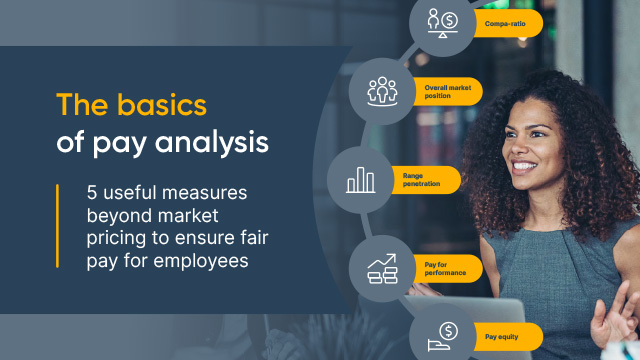

Guide
A pay data report shows a regulator exactly what an internal pay analysis should have caught first, and this guide to using compensation data to spot inequities and set ranges helps HR see the numbers before the Civil Rights Department does.
Download

Guide
A new minimum wage, a higher exempt salary floor and a reformatted pay data report all hit payroll at once on January 1, and this guide shows how streamlining payroll and compliance admin keeps a lean team from missing one of them.
Download

Guide
AB 1803 folds an anti-hate speech component into California's required harassment prevention training from 2028, and this guide to policy, manager training and reporting is a practical base for rebuilding the course before that deadline.
Download
A final Labor Department rule requires PBMs to disclose rebates and spread payments to large self-insured plans.

Only four member states met the June 7 deadline to transpose the Pay Transparency Directive.
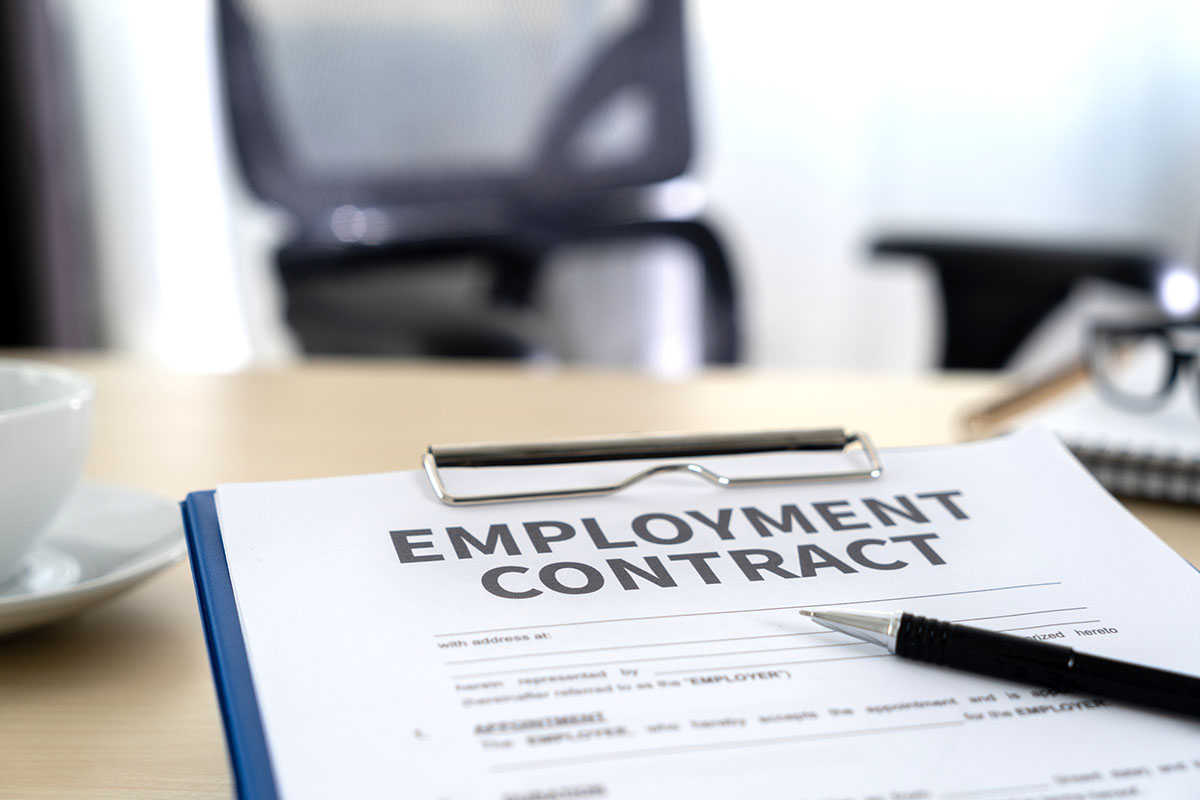
A randomized study of job offers found noncompetes lowered pay and mobility without protecting trade secrets.
