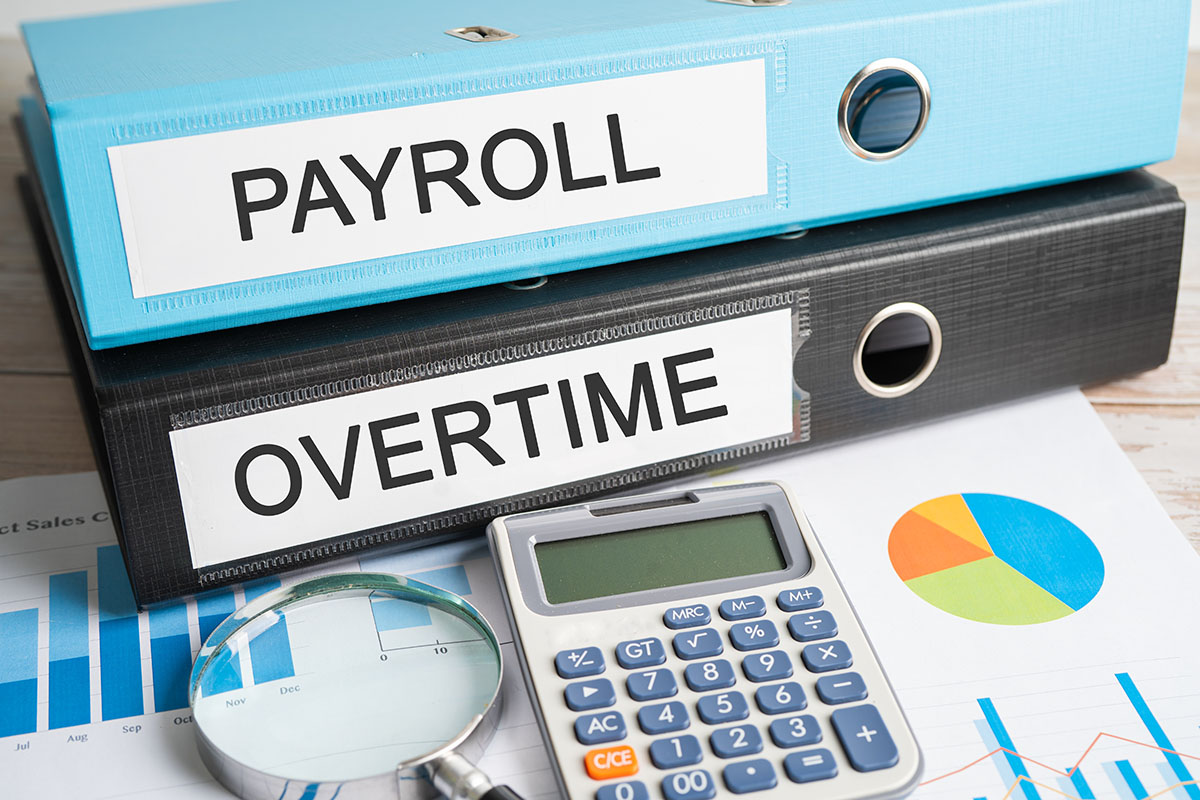
A new survey of small and midsize employers finds payroll mistakes are the norm, not the exception, and that the teams who learned the job informally get it wrong most often. AI is not the rescue owners are waiting for. A documented, reviewed process is.
Key Takeaways
Payroll is the one HR process every employee audits personally, every pay period. Nobody reads the handbook, but everybody checks the deposit. That makes a payroll mistake different from most administrative errors: it lands directly on the employee, it is discovered immediately, and it tells people something about how carefully the business is run. A new survey suggests most smaller employers are sending that message more often than they think.
The OnTheClock payroll pain points survey, conducted online by Centiment from August 15 to 21, 2026, polled 525 U.S. business owners and HR or operations decision-makers at companies with between 2 and 250 hourly employees. All of them review or approve time sheets and payroll directly. The headline is blunt: 63% say their company has made payroll errors. The survey's authors note that this reflects only mistakes that were actually caught, so the real rate is likely higher.
The errors are not exotic. The most common is paying someone the wrong amount, reported by 41%. Miscalculated taxes follow at 21%, then late payments at 18% and missed payments at 14%. Among companies that had made errors, 45% said it cost them time, 30% lost money through reimbursements or tax penalties, and 14% said a mistake led to an employee resigning. That last figure deserves more attention than it gets. Small employers spend heavily to recruit hourly workers, and a wrong paycheck is an entirely avoidable reason for one to leave.
The workload explains part of the problem. In the survey, 68% of the owners, founders, and CEOs who responded handle payroll themselves day-to-day, the highest share of any role surveyed. Half of respondents say payroll takes three or more hours each pay period, and 10% say six or more. When asked what makes payroll stressful, 31% pointed to tax and compliance rules, 17% to overtime or hourly rate calculations, and 14% to catching time sheet errors before payday. Forty percent of owners, CEOs, and founders call payroll accuracy a major concern they think about constantly.
The most useful finding in the data is how error rates track with the way people learned the job. Among respondents whose payroll handlers had formal training or certification, 65% reported mistakes. That rose to 72% for those who learned by trial and error on the job, 73% for the self-taught, and 76% for those who were taught by a predecessor. Teams relying on informal training were also more likely to commit the most damaging errors: 49% had paid an employee the wrong amount and 21% had missed a payment entirely, compared with 41% and 14% overall.
The predecessor figure describes how payroll actually works in many small companies. One person figures out the process, writes little of it down, and hands it to whoever comes next along with their own workarounds. Every undocumented shortcut is passed on, and every misunderstanding of an overtime rule compounds. Formal training does not eliminate errors, since nearly two in three trained teams still reported one, but it narrows the gap, and it is the cheapest control an employer can add.
Tax errors carry a direct price. Under the IRS failure-to-deposit penalty, an employment tax deposit made 1 to 5 calendar days late costs 2% of the unpaid deposit, rising to 5% at 6 to 15 days and 10% beyond 15 days. If the deposit is still unpaid more than 10 days after the first IRS notice, the penalty reaches 15%, and interest accrues on top. The stakes scale with headcount: a Xero analysis distributed by Stacker notes that employer Social Security and Medicare taxes alone add $3,825 a year on a single $50,000 salary, before unemployment taxes or benefits.
Owners are open to automation, but not to surrendering control. The survey found 68% of owners, founders, and CEOs feel positively about AI-powered payroll automation, yet only 11% would let AI handle their payroll today. Before they would be comfortable, 50% want the ability to review payroll before submission, 40% want a financial guarantee from the provider if it makes an error, and 35% want proof that similar businesses use the tool successfully.
There is also no agreement on who is to blame when automation gets it wrong. Half of respondents would hold the AI or software company responsible, 33% the manager overseeing payroll, and 25% the business owner. Owners are harder on themselves: 38% say the owner is ultimately responsible, against 19% of HR leaders and 15% of operations leaders. Regulators will not split the difference. The employer owns the deposit and the paycheck, so any automation has to sit inside a process with a named owner and a review step, or it simply moves errors faster.
Payroll errors rarely come from carelessness. They come from a process that lives in one person's head, runs under time pressure, and is checked by nobody until an employee notices the deposit is short. The survey shows most small employers have already paid that price at least once. The ones who get it right will not be the first to adopt AI. They will be the ones who wrote the process down, trained the person running it, and built in a review before every run.

Guide
When an owner is spending three or more hours every pay period on payroll and still worrying about tax deposits, this guide helps weigh whether a PEO that shares payroll and compliance administration is the better answer.
Download

Guide
With 14% of companies that made errors losing an employee over one, this framework for clear, consistent pay conversations helps managers explain a wrong paycheck and its correction before trust turns into attrition.
Download

Playbook
Moving payroll from habits inherited from a predecessor to a documented, reviewed process, or onto a new automated tool, is a change initiative, and this playbook covers planning it and managing the resistance that comes with it.
Download
Removing a noncompete raised earnings by 12% to 17% without increasing leaks of confidential information.

From January 1, 2027, the UK qualifying period falls to six months and compensatory awards are uncapped.

The $100,000 H-1B entry payment now runs through September 2027, yet a federal court judgment still blocks collection.
